1. What factors influence the lifespan of dental veneers?
The longevity of dental veneers is influenced by several factors, including the material used (porcelain or composite), the patient's oral hygiene habits, their diet, and whether they habitually clench or grind their teeth. Regular dental check-ups and professional cleanings also play a crucial role.
2. How long do porcelain veneers typically last?
Porcelain veneers are known for their durability and can last anywhere from 10 to 15 years, and sometimes even longer, with proper care. Their resistance to staining and ability to mimic natural tooth enamel contribute to their long lifespan.
3. What is the typical lifespan of composite veneers?
Composite veneers, while often a more cost-effective option, generally have a shorter lifespan than porcelain veneers. They typically last about 5 to 7 years before needing repair or replacement. They are more prone to chipping and staining compared to porcelain.
4. Can I extend the life of my veneers?
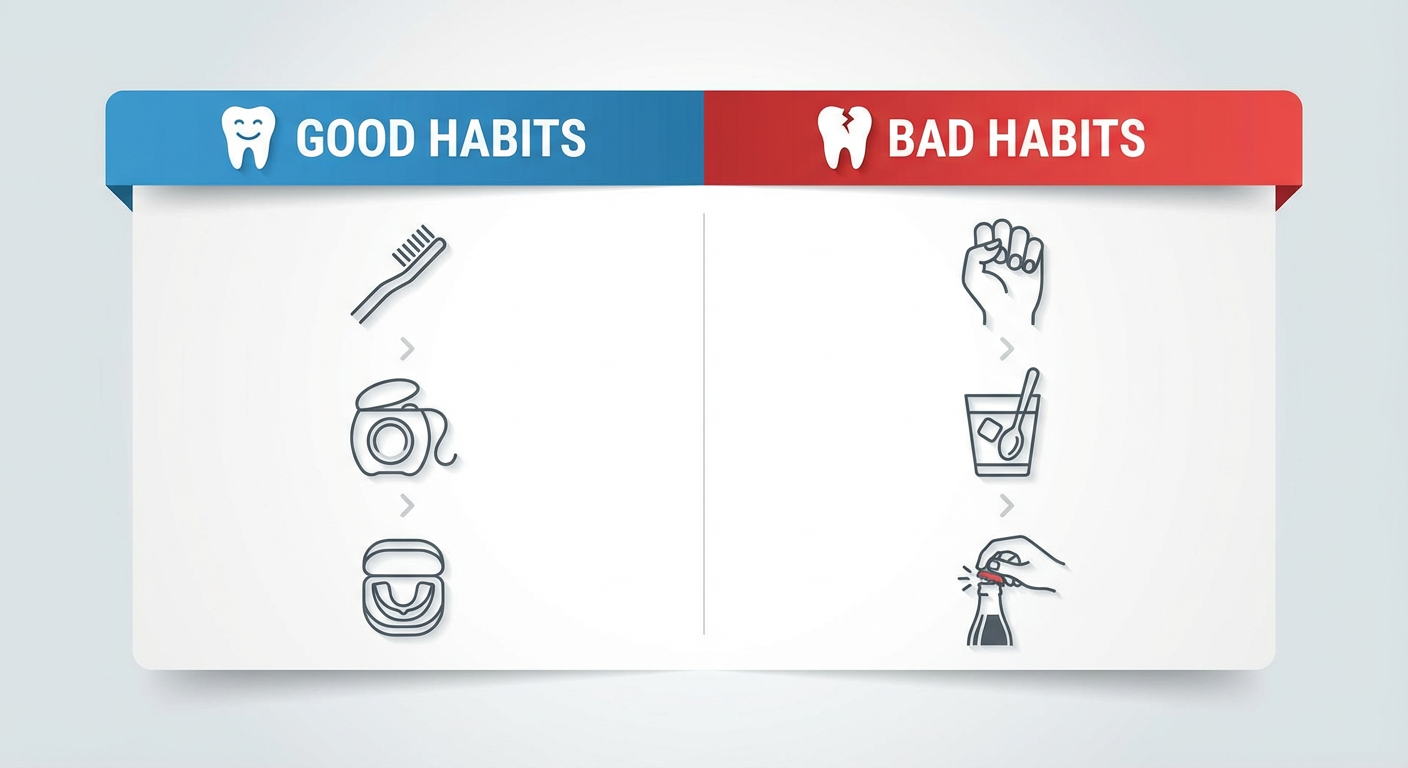
Yes, you can significantly extend the life of your veneers by maintaining excellent oral hygiene, including regular brushing and flossing. Avoiding hard or sticky foods, refraining from using your teeth as tools, and wearing a nightguard if you clench or grind your teeth can also help. Routine visits to iSmile Dental Care for check-ups and cleanings are essential.
5. Do veneers require special maintenance?
Veneers do not require drastically different specialized maintenance compared to natural teeth. Continue to brush twice daily with a non-abrasive toothpaste and floss once a day. It's important to avoid abrasive cleaning products on your veneers, as they can damage the surface.
6. What happens when a veneer needs to be replaced?
When a veneer needs replacement, Dr. Chong will carefully remove the old veneer and prepare the tooth for a new one. The process for placing a new veneer is very similar to the initial placement, ensuring your smile remains beautiful and functional.